Skip to content

IT has long been one of the most important success factors in modern companies. However, only a few have a complete overview of the entire life cycle of their devices, systems and software. This is precisely where IT Lifecycle Management a structured approach to efficiently manage the IT infrastructure from acquisition to secure utilization.
The most important in a nutshell
- IT Lifecycle Management manages every IT device across its entire life path: planning, procurement, operation, replacement and secure remarketing.
- Fixed replacement cycles and a central device catalog prevent failures, security gaps and unnecessary costs.
- The end of the life cycle determines data protection and residual value: erase in a certified process, reuse or sell, only then recycle.
- Second IT supports with inventory analysis, market valuation, IT return and sustainability consulting.
What does IT lifecycle mean in practice?
The IT Lifecycle describes the complete life cycle of an IT asset - from procurement, use and maintenance through to disposal or recycling.
The typical phases are
- Planning & selection
- Procurement
- Operation & maintenance
- Upgrade or exchange
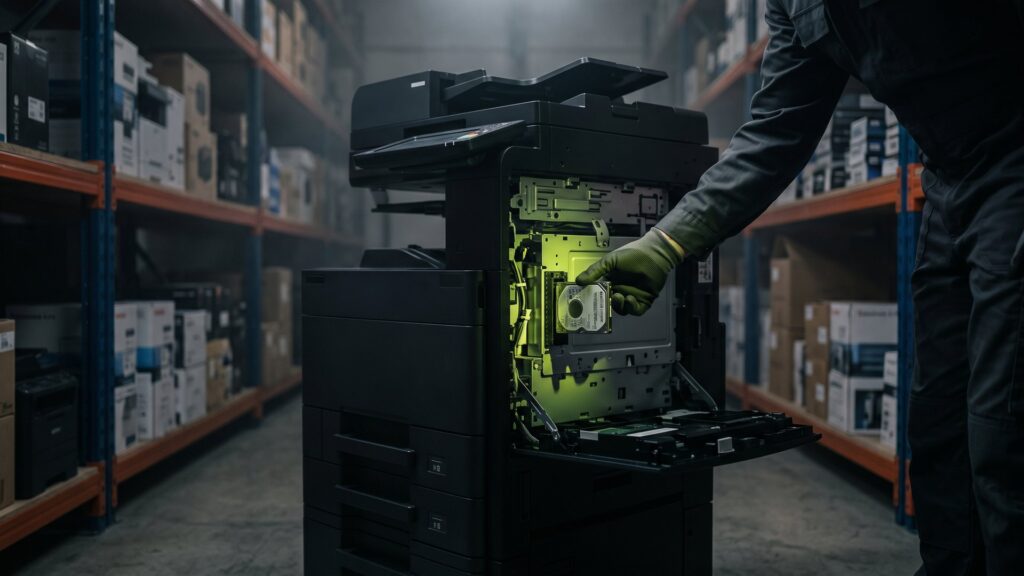
- Data deletion & disposal
A holistic view of this process helps companies, Reduce costs, Minimize security risks and Legal requirements to be complied with.
Why professional lifecycle management is indispensable today
Without clearly defined IT processes, problems quickly arise:
- Devices are replaced too late → Loss of productivity
- Maintenance is neglected → Security gaps
- Improper disposal → GDPR violation looms
IT Lifecycle Management Consulting helps to identify these risks at an early stage and avoid them with structured strategies. It's not just about technology - it's about predictable, secure and economical IT infrastructure.
The role of IT consulting in lifecycle management
External IT consultants analyze existing processes and structures, uncover weaknesses and develop individual concepts for optimization. The aim Efficiently manage the entire IT lifecyclenot just implement individual measures.
Important fields of consulting:
- Asset management strategy (incl. inventory & tracking)
- Lifecycle-oriented investment planning
- Security concepts for old appliances
- Compliance and GDPR checks
- Standardization of replacement cycles
How long should IT hardware be used?
Fixed replacement cycles are a central building block of every lifecycle concept. The following values are practical guideline figures. The right service life always depends on purpose of use, specifications and security requirements:
| Device type | Typical service life in companies | What triggers replacement |
|---|---|---|
| Laptops | 3 to 5 years | Battery wear, performance, operating system support |
| Desktop PCs | 4 to 6 years | Performance, operating system support |
| Monitors | 5 to 8 years | Defects, new connection standards |
| Smartphones and tablets | 2 to 4 years | End of security updates, battery |
| Servers and storage | 5 to 7 years | End of manufacturer maintenance and warranty, energy demand |
Important: tax depreciation is something different from actual service life. In Germany, computer hardware has been allowed to be written off over just one year since 2021, but many devices keep working reliably for years. Anyone who replaces earlier should secure the residual value through a planned sale.
Advantages of structured IT lifecycle management
A well-managed lifecycle process brings clear advantages:
| Advantage | Effect in the company |
|---|---|
| Better planning | Fewer unforeseen costs & failures |
| Increased IT security | Regular maintenance & secure data erasure |
| Transparency across all devices | Clear responsibilities & documented processes |
| Sustainable use of resources | Devices are used for longer and in a more targeted manner |
| Legally compliant disposal | Protection from GDPR fines |
IT lifecycle management in companies - a typical scenario
A mid-sized company uses a large number of notebooks, servers and mobile devices. Without a lifecycle strategy:
- there is no overview of device statuses
- it is unclear when hardware needs to be replaced
- old appliances are stored unsafely
With professional IT Lifecycle Management Consulting:
- there is a central device catalog
- There are fixed replacement and inspection intervals
- Disposal is carried out by certified service providers
This saves time, money and protects sensitive company data.
Key figures: how to make your IT lifecycle measurable
What is not measured is hard to manage. These key figures have proven their worth in lifecycle management:
- Device inventory and average age per device type – the basis for replacement planning.
- Failure and repair rate – shows when a replacement is economically worthwhile.
- Residual value proceeds from the sale of retired devices in relation to new purchases.
- Erasure proof rate: For how many retired devices is there an erasure certificate with serial number? The target is 100%.
- Reuse rate: How many devices were refurbished and kept in use instead of being recycled? This figure also feeds into your ESG reporting.
IT lifecycle & sustainability - a strong duo
A well-thought-out IT lifecycle concept is not only economically sensible but also ecologically relevant. Companies that manage their IT sustainably:
- extend the life cycle of devices
- reduce electronic waste
- promote recycling through recycling partners
The aim is to Sustainable IT strategy, which combines technical efficiency with ecological responsibility. How we implement this in our own operations – for example with solar power for data erasure and reusable packaging – you can read on our page on Sustainability.
How Second IT supports lifecycle management
Second IT offers individual consulting for companies that want to optimize their IT processes. The services include:
- Analysis of the existing IT landscape
- Development of individual lifecycle concepts
- Support with implementation & process monitoring
- Proper disposal as a certified waste management company
- Support with audit preparations & verification obligations
At the end of the life cycle, we take over IT return from a single source: pickup with our own Security logistics, Certified data erasure with Blancco, Refurbishment and remarketing – and for devices that can no longer be used, proper disposal with documentation.
Find out more about our IT Lifecycle Management and request individual advice.
An often forgotten part of the life cycle is employees leaving – see our offboarding checklist.
Conclusion - IT lifecycle management creates structure & security
The lifecycle of IT equipment does not end when it is replaced - it begins with strategic planning. Companies that approach IT lifecycle management professionally benefit from greater efficiency, security and sustainable use of resources.
With the right advice, you can lay the foundations for a future-proof, data protection-compliant and stable IT environment.
More on the topic: Laptop written off? Why it’s still worth money and Returning a leased device to IT: Returning, replacing, or selling it?.
Frequently asked questions about IT Lifecycle Management
What is IT Lifecycle Management?
IT Lifecycle Management is the planned management of all IT devices across their entire life path. It begins with selection and procurement, includes operation, maintenance and upgrades, and ends with data erasure, reuse or disposal. The aim is to optimize costs, security and sustainability together. The basis is a complete, up-to-date inventory.
What phases does the IT lifecycle have?
Five phases are typical: planning and selection, procurement, operation and maintenance, upgrade or replacement, and data erasure and disposal or remarketing. Many companies plan the first four phases carefully and neglect the last. But that is exactly where the biggest data protection risks arise and most residual value is given away.
How long should notebooks and servers be used in a company?
As a guideline, three to five years applies for notebooks and five to seven years for servers. Performance, failure rate, manufacturer maintenance and security updates are decisive. Anyone who replaces earlier can resell the devices well, because they then still have a high residual value. The tax depreciation period says little about the sensible service life.
What does IT Lifecycle Management consulting deliver?
Consulting creates an overview of the inventory, condition and market value of your devices. From this come fixed replacement cycles, clear responsibilities and a secure process for retirement. At Second IT, inventory analysis, database-supported market valuation, IT return and sustainability consulting are part of it. This turns the end of your devices' life into a plannable return.
How are the IT lifecycle and sustainability connected?
Most of the environmental impact of an IT device arises during manufacturing. Every extension of use – in-house or by a second user after the sale – therefore saves raw materials and energy. Good lifecycle management plans reuse before recycling. The documentation for this feeds directly into your CSR and ESG reporting.
Plan the end of your IT lifecycle – securely, verifiably, economically.
Send us your device list or arrange a consultation. You will receive an offer in 48 hours on average.