Skip to content


The technology industry is facing a huge challenge: on the one hand, it is driving progress, while on the other, it is contributing significantly to environmental pollution through its high consumption of resources. But in the midst of this tension, they emerge - the Green IT pioneerswho are committed not only to efficiency, but also to sustainability. Who are these people and companies shaping a greener future for IT? And how can we all benefit from their visions?
The most important in a nutshell
- Green IT pioneers combine performance with sustainability: efficient data centers, durable hardware, green coding, and a circular economy.
- Large providers focus on renewable energy, while smaller ones focus on reparability and IT remarketing.
- Every company can implement green IT – starting with longer use and the recycling of decommissioned devices.
1. Green IT – visionaries with foresight
Green IT has long been more than just a trend. Behind the term are Strategies and technologiesthat aim to reduce the ecological footprint without compromising innovation and performance. Whether energy-efficient data centers, resource-saving hardware or the circular economy - the players in this field show how technology and environmental protection can go hand in hand.
An example: The IT giant Google has been billing its annual electricity consumption since 2017. 100 % with renewable energy And it has set itself the goal of using CO₂-free electricity around the clock by 2030. The company has set standards in this regard – even though the demand for electricity has recently increased significantly due to artificial intelligence. But smaller companies are also relying on creative solutions, such as the reuse of used IT hardware or the development of modular devices that are easy to repair.
2. Innovation meets responsibility: the strategies of the pioneers
Green IT pioneers rely on a variety of measures to minimize resource consumption and maximize the service life of devices. Some of the central approaches:
Energy-efficient data centers
Modern data centers consume as much electricity as entire cities. Through the use of artificial intelligence to optimize cooling And some operators have already been able to % reduce their cooling energy consumption by up to 40 thanks to the transition to green energy.
Circular economy
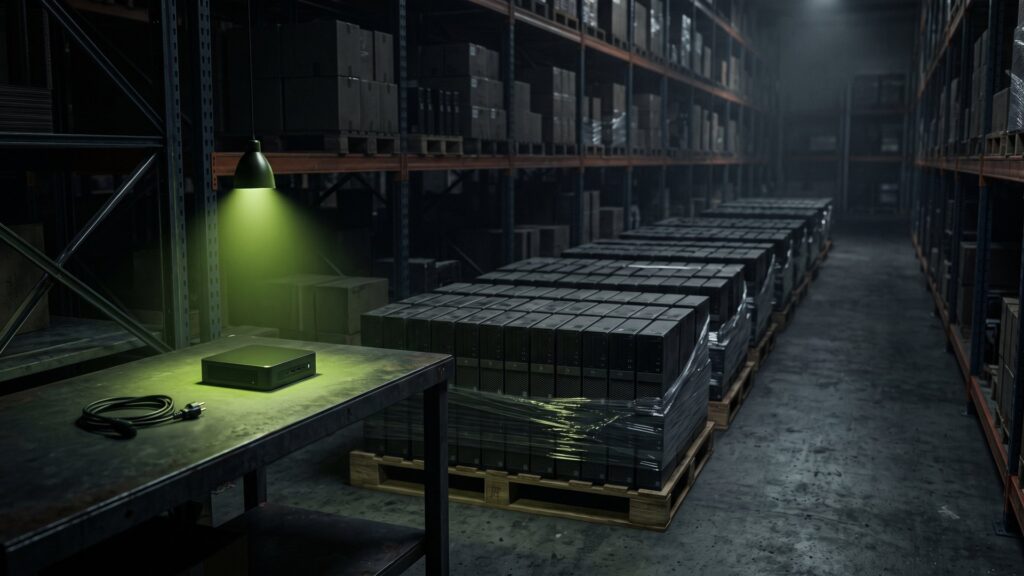
A key concept of green IT is the reuse of materials. Pioneers such as the Dutch company Fairphone show how modular construction methods can extend the life cycle of devices. Others rely on professional IT remarketingwhere old hardware is refurbished and resold - an approach that not only protects the environment but also makes economic sense.
Green Coding
Not only the hardware, but also the software must become more efficient. Green Coding aims to develop programs that consume fewer resources. This is a decisive lever, especially in times of cloud computing and data-intensive applications.
3. The challenges on the way to green IT
Despite their progress, green IT pioneers face major hurdles. One key point: Lack of standards and regulations. While there are initiatives such as the EU Action Plan for the Circular Economy, the Ecodesign Regulation, and EU law on repair, many countries are lagging behind. In addition, there are high costs for research and development, as well as resistance from some industry actors who prioritize short-term profits over long-term sustainability.
Another obstacle is the lack of awareness among many consumers and companies. There is often a lack of awareness of how important sustainable IT is for the future - and how easily everyone can do their bit, e.g. by buying used hardware or using sustainable cloud services.
4. What can we learn from the pioneers?
Green IT pioneers show us that sustainable IT is not a contradiction, but an opportunity. Companies can Reduce costsstrengthen their brand and protect the environment at the same time. For consumers, it means using technology more consciously, e.g. by repairing devices instead of buying new ones or passing on used devices.
Your contribution counts!
- Buy Certified used IT hardware - This saves resources and is often cheaper.
- Select energy-efficient appliances and software solutions.
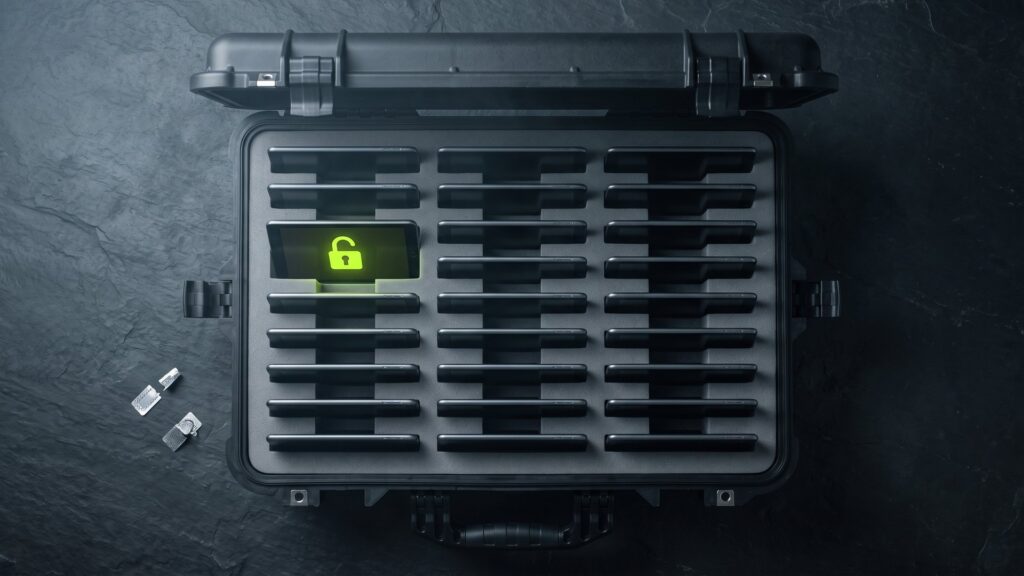
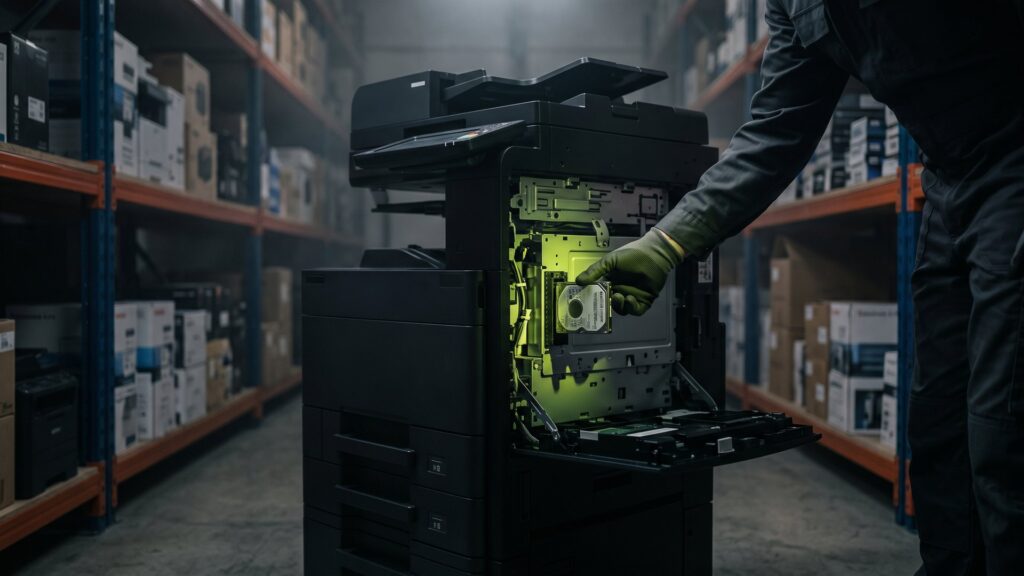
- Find out more about Certified data erasureto dispose of old hardware in a safe and environmentally friendly way.
5. Green IT in your own company: a roadmap in five steps
You won't become a pioneer overnight – but with a clear plan:
- Record contents: What devices are there, how old are they, how long will they be used for?
- Extend the lifespan: Check for upgrades and repairs before purchasing a new one.
- Achieve sustainability: Include seals such as TCO Certified or the Blue Angel in tenders, as well as repairability and return policies.
- Lower energy consumption during operation: Load and virtualize servers, use green electricity, choose cloud providers based on efficiency.
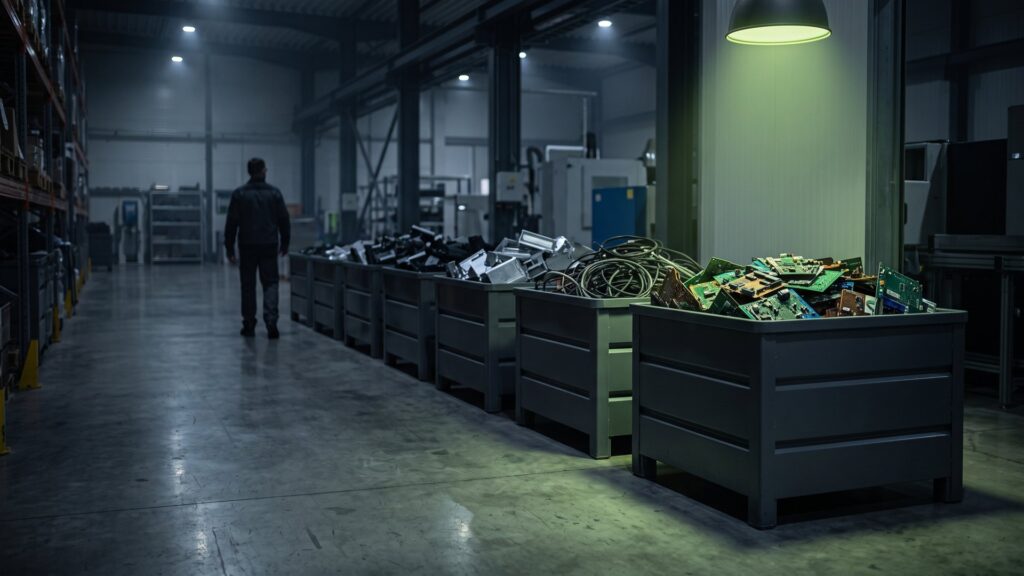
- Close the loop: Certified deletion, transfer and proper recycling of decommissioned devices – with documentation for your report.
This is also part of everyday life at Second IT: The data deletion process runs on solar power from our own production, shipping is CO₂-neutral thanks to DHL GoGreen, and we rely on reusable packaging and paperless document management. More about this on our page. Sustainability. You can read about how to turn old devices into usable hardware in the Refurbishment.
Conclusion: Heroes who deserve our support
The Green IT pioneers prove that technology and sustainability are not opposites, but can complement each other perfectly. Their innovations are a decisive step towards a future in which progress does not come at the expense of the planet.
If you want to be part of this movement, start today. Every small step - be it buying used laptops or optimizing your IT needs - brings us closer to a sustainable technology industry.
Find out more about sustainable IT solutions and certified data erasure here.
More on the topic: Scope-3 emissions: Why your IT hardware is included and Choosing an ITAD provider: 12 questions to avoid common pitfalls.
Frequently asked questions about Green IT
What is Green IT?
Green IT refers to all strategies and technologies that reduce the environmental footprint of information technology. These include energy-efficient data centers, durable and repairable hardware, resource-saving software, and the circular economy. The goal is to combine performance and sustainability. Green IT affects manufacturers, data center operators, and every company that uses IT.
What sustainable technologies are available in IT?
Examples include AI-powered cooling and heat recovery in data centers, modular and repairable devices, and virtualization that requires fewer servers. In addition, there is green coding for more efficient software and methods for recovering raw materials from electrical waste. Certified data destruction is also a key technology: it makes the safe reuse of used hardware possible.
How can companies start with Green IT?
The easiest way is to take stock of your current situation: What devices are available and how long are they used for? The most effective steps then follow – longer use, sustainable procurement, and the recycling of decommissioned devices instead of disposal. Renewable energy and efficient servers also reduce emissions during operation. Proofs of your remarketing partner make the success measurable.
Become a Green IT pioneer yourself.
Send us your list of devices. You will receive an offer for pickup, certified data destruction, and purchase in an average of 48 hours – with documentation for your sustainability report.