Skip to content


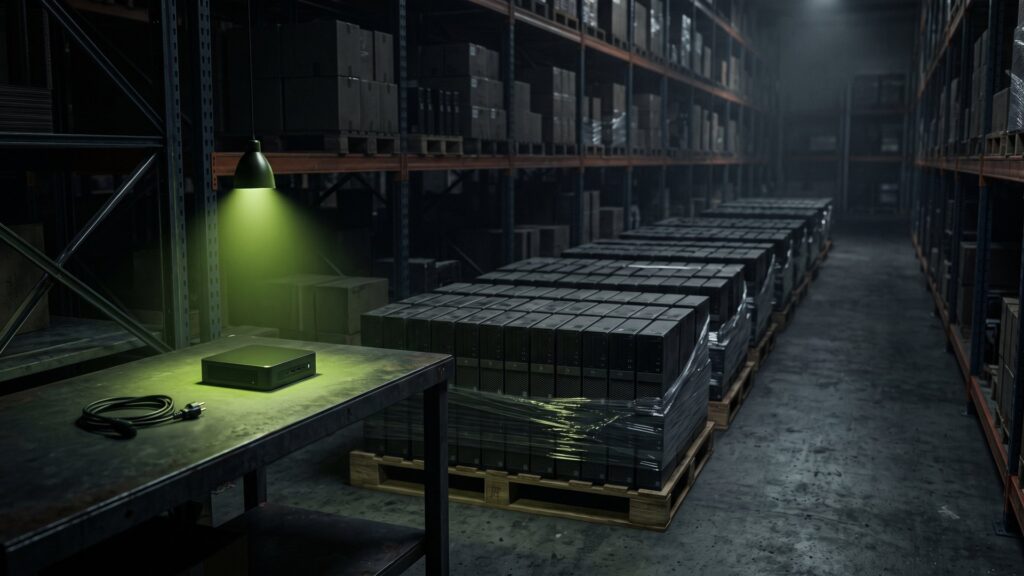
Imagine an aged server standing abandoned in the corner of a data center. Its original purpose? Fulfilled. Its future? Questionable. But what if this „old veteran“ could mark the beginning of a new story rather than the end? Welcome to the world of sustainable IT, where obsolete hardware is not only recycled but revitalized – and experiences a second spring.
The most important in a nutshell
- Servers are usually replaced after a few years – but their hardware is often still fully functional.
- Through IT remarketing, used servers and their components find new uses, for example in small and medium-sized businesses or in testing environments.
- A prerequisite is the safe deletion of each individual drive and secure transport with complete documentation.
1. The lifecycle of a server: More than just performance and decommissioning
A server is often only used for a few years before it is replaced by more powerful models. However, this does not mean that it is worthless.
- The hardware substance remains robustMany components have significantly longer life cycles than we use them.
- Secondary markets flourishUsed servers find new applications, e.g. in medium-sized companies or for specific workloads.
- The environmental factorBy extending the life cycle of a server, resource consumption is drastically reduced - a real win-win situation.
2. Where do servers really die? Europe's "silicon graveyards"
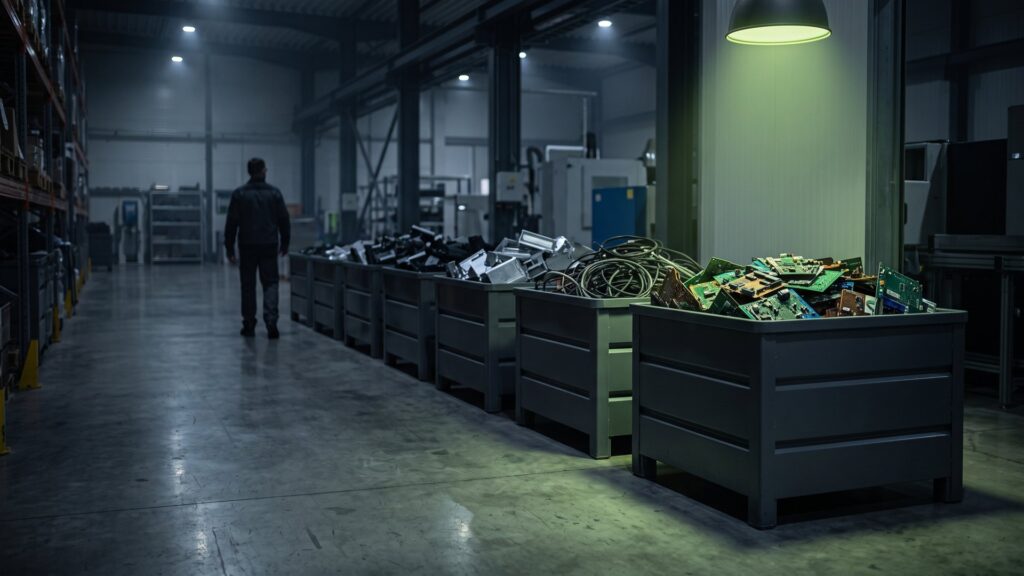
Too often, servers end up in electronic waste dumps where valuable raw materials are lost. The good news is that there are alternatives.
- IT remarketingOld hardware can be tested, refurbished and sold - often with astonishing profitability.
- Reclaiming resourcesRaw material recovery from servers is an increasingly efficient method of recycling rare materials.
- Data erasure as the keySafety comes first. Through BSI-compliant data erasure hardware becomes reusable.
3. A second spring through creative reuse
Servers can be more than just computing power. Examples show how versatile they are in their second life:
- Private cloud and virtualizationOld servers can be used perfectly for test environments or smaller cloud solutions.
- Education and non-profit organizationsMany institutions benefit from inexpensive or donated hardware.
- Artistic projectsSome server housings end up as design objects - a small but symbolic contribution to sustainability.
4. Economic benefits for companies
Companies that rely on remarketing and reuse benefit twice over:
- Cost reduction: The sale of used hardware often generates unexpected income.
- Image gainSustainable IT strategies strengthen the brand and position companies as responsible.
- Circular economy as a strategy for the future: In the long term, reuse will become the norm - be a pioneer!
5. Server decommissioning in practice: how remarketing works
This sequence has proven to be effective:
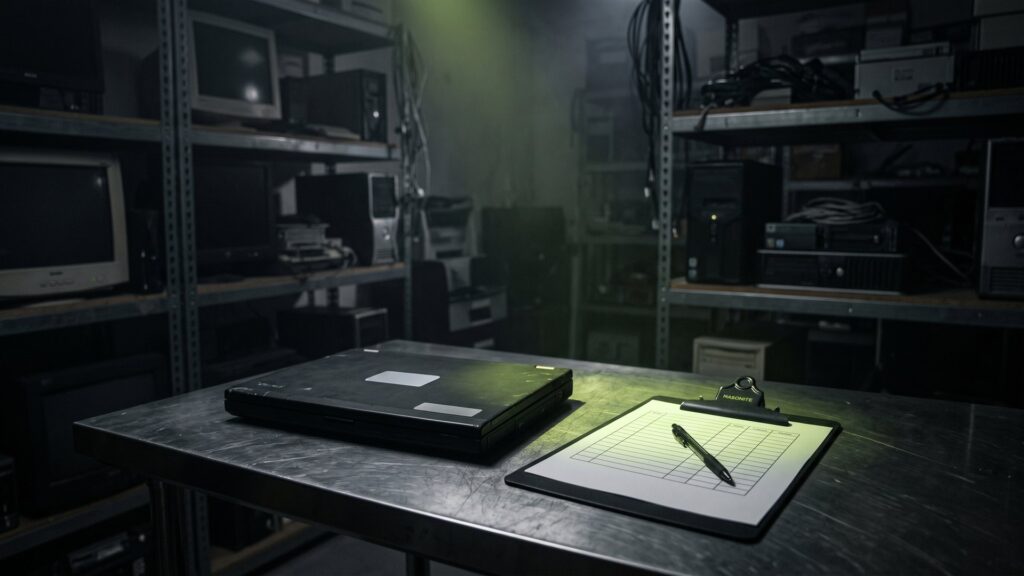
- Create inventory list: Manufacturer, model, processors, memory, drives and serial numbers.
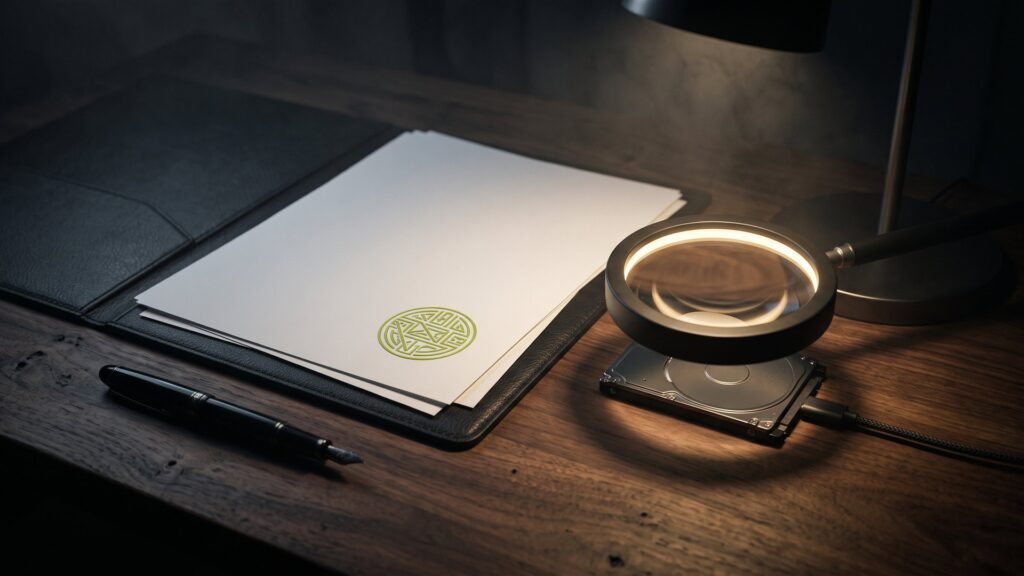
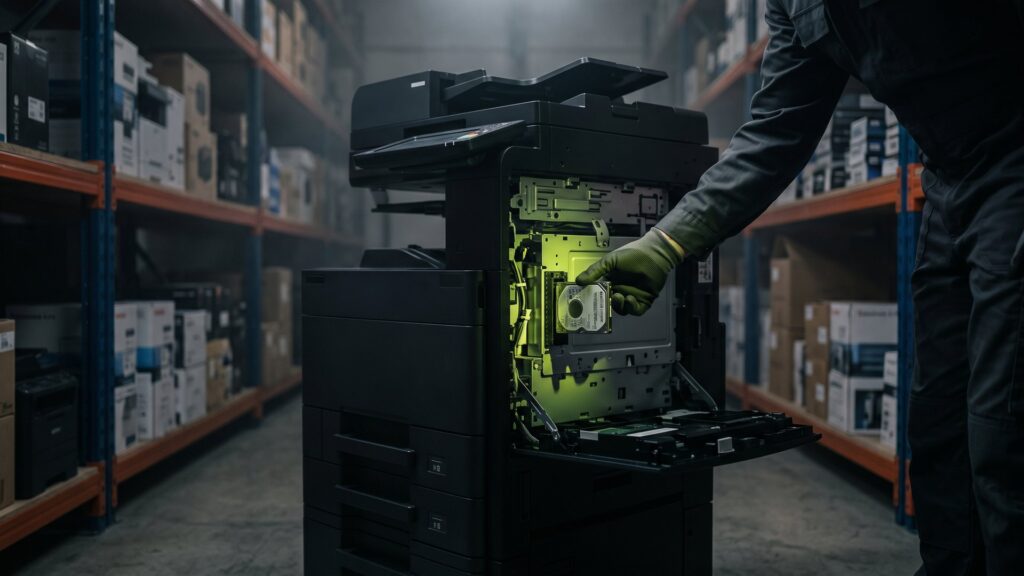
- Clear the data carriers: Functional drives are individually erased and logged with certified software. Damaged drives are destroyed in accordance with DIN 66399 – at Second IT in-house and video-monitored in security level H-5.
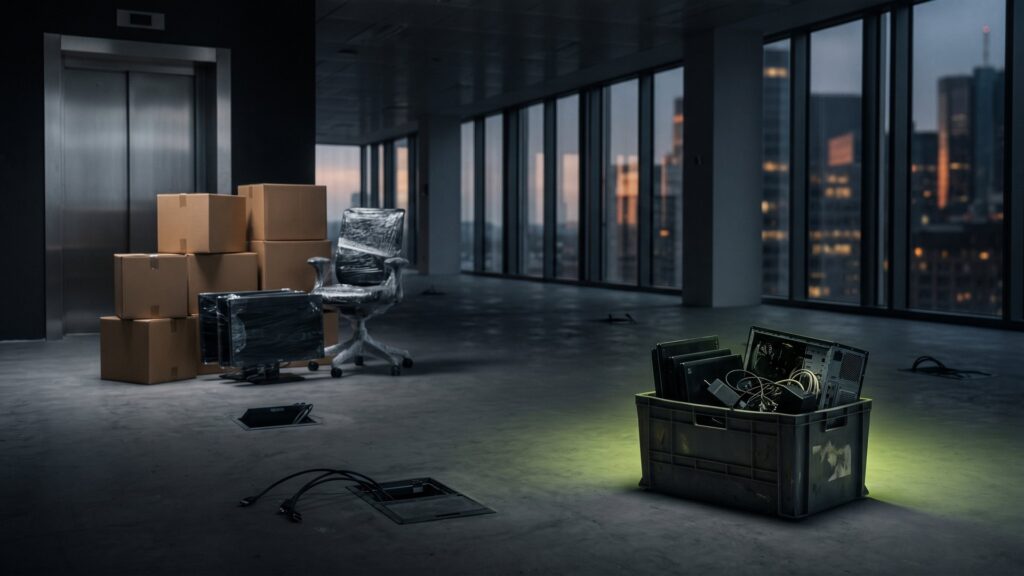
- Disassembly and transportation: The devices are sealed, GPS-monitored, and transported directly to the certified location without intermediate storage.
- Examination and evaluation: Systems are being tested; components such as processors, memory, or network cards can often be marketed separately.
- Evidence: You will receive erasure certificates for each drive, destruction and disposal certificates for your documentation.
Read more about secured transport on our page Logistics. You can learn more about how we evaluate and purchase servers and network technology here. Server procurement and consulting.
When a move is coming up, that is the right moment to ask which servers should come along at all – more on this in the IT relocation checklist.
Conclusion: Give your servers a second chance
A discarded server is not electronic waste, but a resource with potential. Whether through remarketing, recycling or creative projects - with the right strategy, your old hardware can become the basis for a sustainable IT economy. Because servers don't die - they wait for their second spring.
Interested?
Find out more about how you can make your IT sustainable - from certified data erasure to optimal remarketing solutions.
More on the topic: Selling used servers: First the data, then the money and DIN 66399: Which safety level your hard drives need.
Frequently asked questions about used servers
What happens to old servers after the replacement?
There are three options: The server is further used internally, for example as a test system. It is sold via IT remarketing – completely or in components. Alternatively, it is properly recycled when it is no longer marketable. In all three cases, the data must first be provably deleted or the data carriers destroyed.
How are data securely deleted from server hard drives?
Each physical drive is individually erased with certified software such as Blancco – including SSDs and SAS drives. For RAID arrays, deleting only the logical volume is not enough. A deletion certificate with a serial number is created for each drive. Drives that cannot be erased are physically destroyed in accordance with DIN 66399.
Is it worth selling used servers?
Often yes – especially with younger server generations and well-equipped systems. They are in demand by medium-sized companies, for test environments or as spare parts. Components such as memory, processors and network cards often also have their own value. How much the proceeds amount to depends on model, configuration, condition and quantity.
Give your servers a second spring.
Send us your list of servers and components. You will receive a quote for dismantling, safe transport, data deletion, and purchase in an average of 48 hours.