
 Skip to content

Zwischenlagerung
In brief
Intermediate storage refers to the temporary placing of goods at a location between pickup and final destination, for example in a depot, transshipment warehouse or collection room. In logistics, it serves to consolidate shipments. With retired IT containing data carriers, every intermediate storage is an additional risk, because devices there can be unattended, mixed up or accessible to unauthorized persons.
Where intermediate storage occurs
| Location | Typical risk |
|---|---|
| At the customer before pickup (hallway, basement, storeroom) | Unsecured access by employees, service providers or visitors |
| In a transport company's depot | Reloading, mixing with other customers' shipments, gaps in documentation |
| At the service provider before processing | Waiting time without access control or surveillance |
In waste law, the term has a meaning of its own: the storage of waste before recovery or disposal is regulated and may require a permit.
A typical example: a courier picks up boxes, takes them to its depot overnight and delivers them the next day together with other shipments. For that night, there is often no proof of who had access.
Avoiding risks
- Collect old devices at the customer in a locked room, not in the hallway.
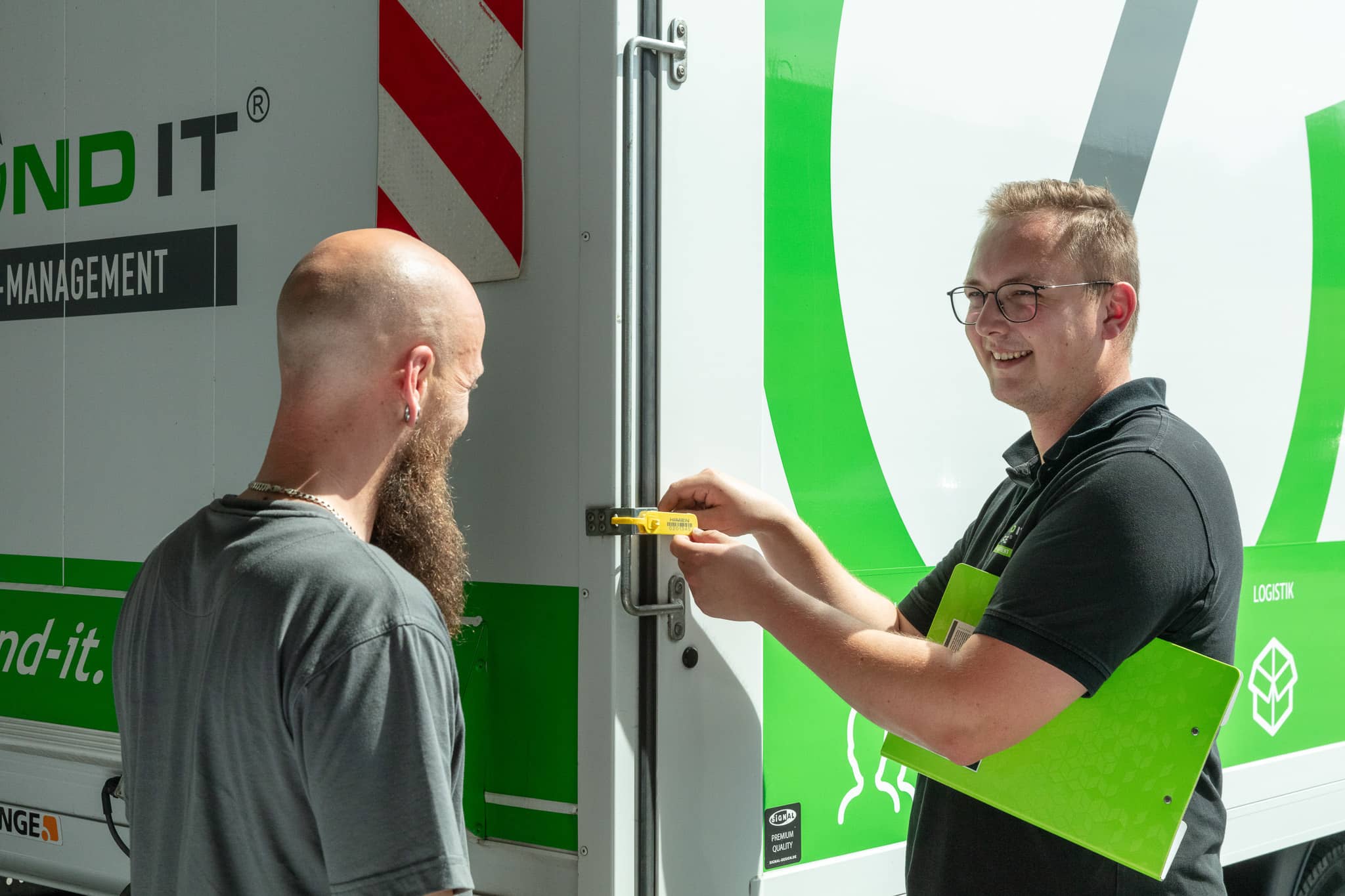
- Seal containers with numbered security seals .
- Plan transports as a Direct transport without transshipment.
- At the service provider, look for access control and video surveillance of the waiting areas.
What to look for when selecting is shown by the guide Choosing an ITAD provider. Second IT transports with its own secure logistics as a direct trip without intermediate storage and processes data carriers in areas with access control and video surveillance.
Frequently asked questions about intermediate storage
Is intermediate storage prohibited when transporting data carriers?
No, but every stop must be secured and documented. Fewer stops mean less risk.
How long may old devices be stored in the company?
There is no fixed deadline. The longer devices with data stand around, the greater the risk. Plan the pickup promptly.
What is the difference between intermediate storage and transshipment?
With transshipment, goods are only reloaded. With intermediate storage, they stay in one place for a certain time.
Does waste law also apply to the intermediate storage of old devices?
In waste law, the term has a meaning of its own. The storage of waste before recovery or disposal is regulated and may require a permit. Whether your old devices count as waste depends on the individual case. Have this reviewed legally.
How do I avoid intermediate storage when old devices are picked up?
Collect the devices in a locked room, not in the hallway. Seal containers with numbered security seals and plan the transport as a direct trip without transshipment. At the service provider, waiting areas should be access-controlled and under video surveillance.
Related terms
No detour, no intermediate storage – straight into secured processing.
Send us your device list. You will receive your offer in 48 hours on average.