
 Skip to content

Hardware-Rollout
In brief
Ein Hardware-Rollout ist die geplante Einführung neuer IT-Geräte in einem Unternehmen, von der Bestellung über Vorbereitung und Auslieferung bis zum Einsatz am Arbeitsplatz. Meist werden dabei gleichzeitig Altgeräte eingesammelt. Ein guter Rollout plant deshalb von Anfang an auch die Rücknahme, Datenlöschung und Verwertung der ersetzten Hardware mit ein.
Typical phases of a rollout
- Planning: Inventory, device selection, schedule per location and department.
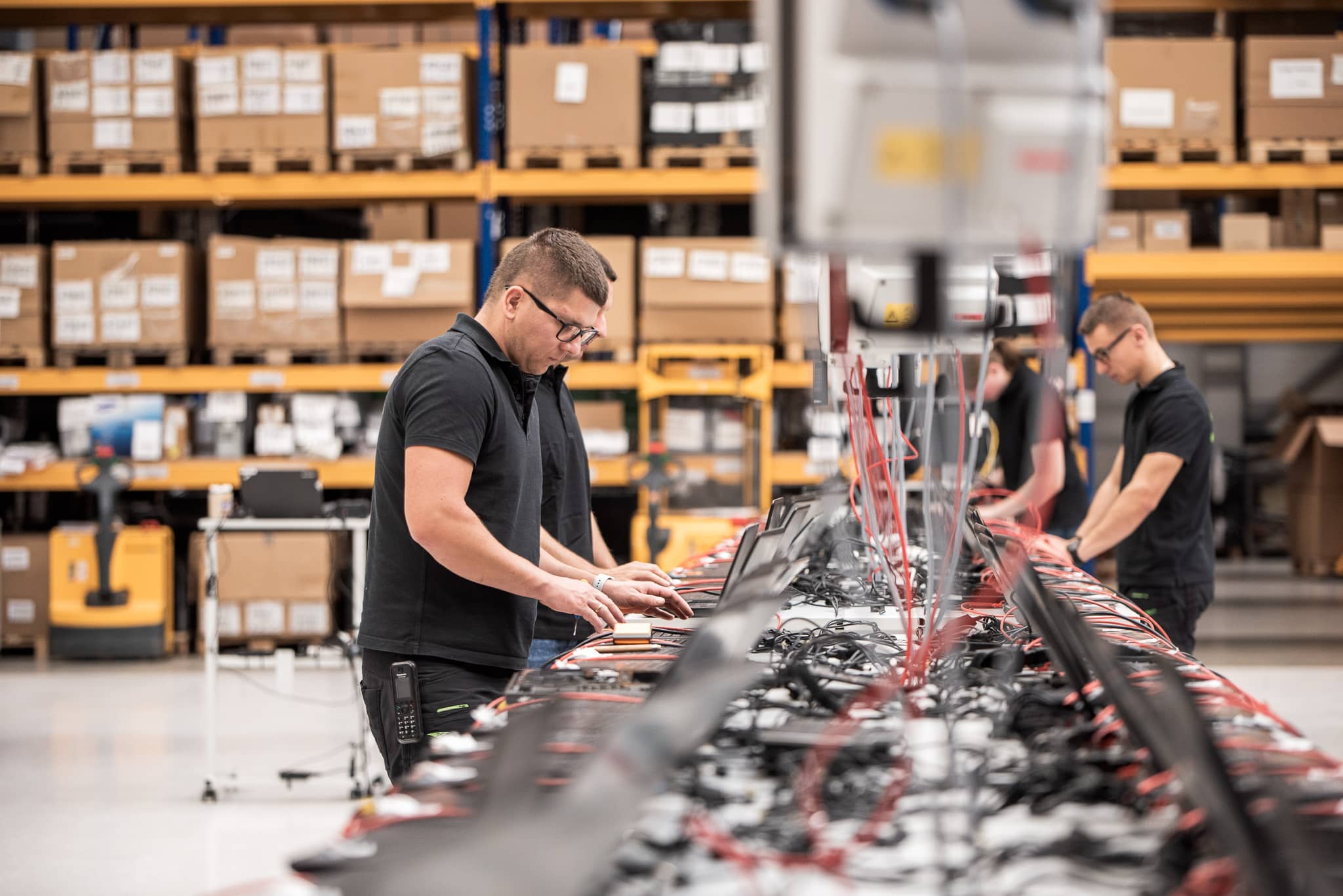
- Preparation (staging): Devices are inventoried, tagged with an asset tag and equipped with software, increasingly automatically, for example via Windows Autopilot.
- Delivery and swap: New devices go to the workstations, data is migrated.
- Take-back of old devices: Registration by serial number, secure storage, handover to the service provider.
- Conclusion: Erasure and disposal certificates, updating the inventory and asset disposal in accounting.
Planning the take-back
In a rollout the focus is on the new devices. The old ones then often sit unerased in storage rooms for weeks. Plan fixed pickup dates, a device list with serial numbers and a sealed handover. Those who sell old devices directly or net them against a Buyback can offset part of the rollout costs. How companies manage their IT lifecycle is described in the article IT Lifecycle Management. Second IT holt Altgeräte mit eigener Sicherheitslogistik ab, löscht sie mit Blancco und kauft verwertbare Hardware zu marktgerechten Preisen an.
Frequently asked questions about hardware rollout
What is the difference between rollout and refresh?
The Refresh cycle determines when devices are replaced. The rollout is the concrete implementation of the replacement.
When should old devices be picked up?
As soon as possible after the swap. This reduces the risk of unsecured data carriers, and the residual value stays higher.
What proof do I need after the rollout?
An erasure certificate per old device, where applicable destruction and disposal certificates, and the documents for the asset disposal.
What is staging in a PC rollout?
During staging, devices are inventoried, tagged with an asset tag and equipped with software before delivery. This is increasingly done automatically, for example with Windows Autopilot. This way the devices go to the workstations ready for use.
Can I use old devices to help finance the rollout?
Partly yes. Those who sell old devices directly or net them against a buyback can offset part of the rollout costs. How much that is depends on the age and condition of the devices and can only be assessed with a device list.
Related terms
New devices arrive, old ones go – securely collected and erased with certification.
Send us your device list. You will receive your offer in 48 hours on average.