
 Skip to content

Wiederverwendung (Reuse)
In brief
Reuse means that a product or component that is not yet waste is used again for the same purpose for which it was originally intended. For IT hardware this means: after retirement, a notebook, monitor or server is checked, erased, refurbished if necessary and continued to be used by a new user. In waste law, reuse is part of waste prevention and thus takes precedence over recycling.
What the law understands by reuse
The Circular Economy Act defines reuse in § 3 (21) KrWG. What matters is that the device has never become waste. If it is already waste, the law speaks of Preparation for reuse, that is, checking, cleaning or repairing so that it can be used again.
| Level of the waste hierarchy | Example from IT |
|---|---|
| 1. Prevention (incl. reuse) | Notebook is erased and resold |
| 2. Preparation for reuse | Device handed in as waste is repaired and made usable again |
| 3. Recycling | Device is dismantled, metals and plastics are recovered |
| 4. Other recovery | For example energy recovery from residues |
| 5. Disposal | Landfilling of non-recoverable residues |
The order follows the Waste hierarchy under § 6 KrWG.
Why reuse brings so much for IT
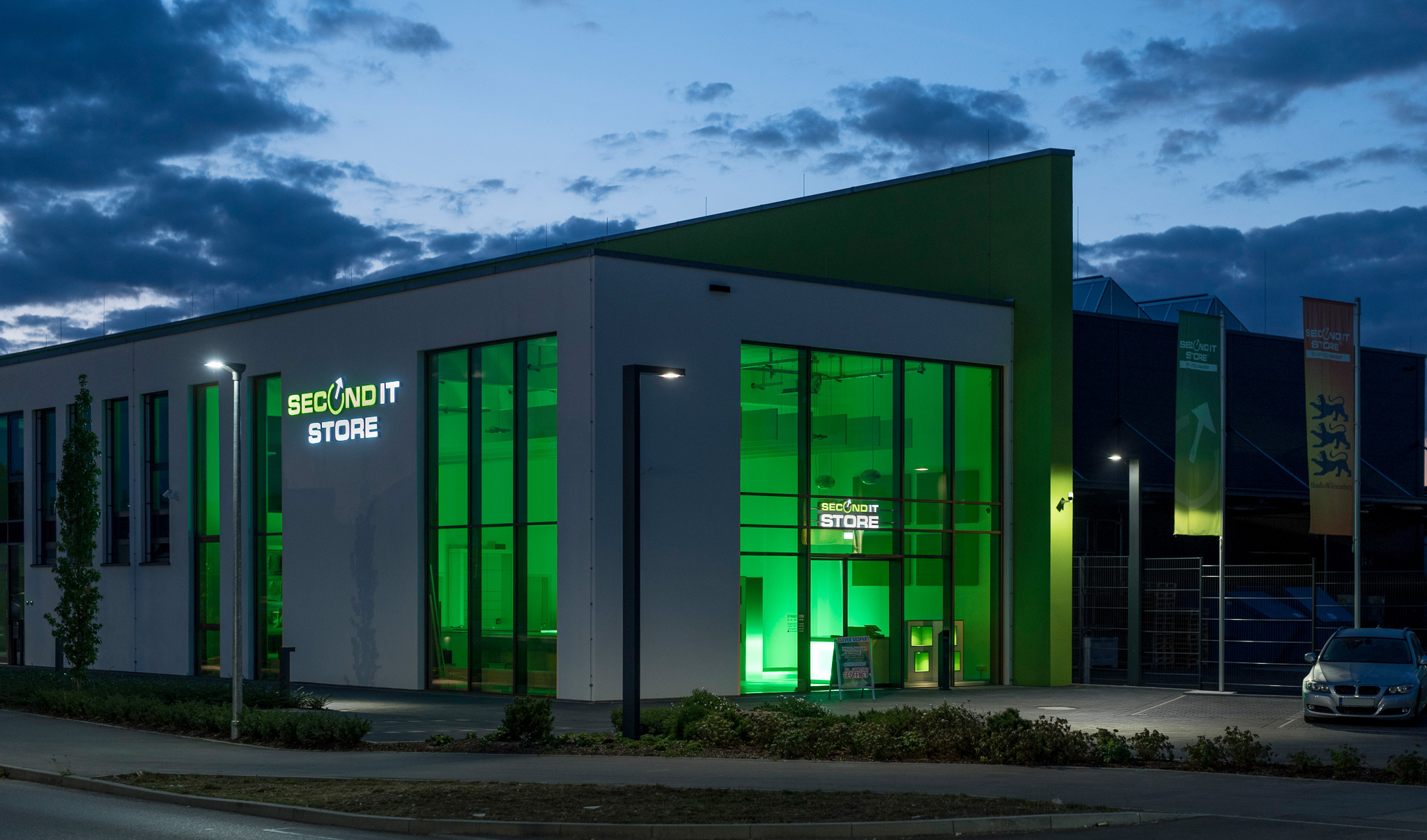
For notebooks and smartphones, a large part of the environmental impact arises during manufacturing. Every device that continues to be used replaces a new one. A prerequisite is verifiable data erasure so that no data travels on with the device. Second IT relies on reuse before recycling: devices are erased with certification, tested, refurbished and remarketed through the online shop and store. Second IT has already refurbished more than 180,000 devices. Strategies for this in the article avoiding e-waste.
Frequently asked questions about reuse
What is the difference between reuse and recycling?
With reuse, the whole device continues to be used. With recycling, it is dismantled and only the raw materials are recovered. Reuse ranks higher in the waste hierarchy.
Is a sold company notebook waste?
As a rule, no. If it is sold for further use, there is no intention to discard it as waste. It remains a product and is reused.
What must happen before reuse?
All data must be verifiably erased, company markings removed and devices tested for function. If necessary, batteries or parts are replaced.
What does preparation for reuse mean?
Here, the device has already become waste. Through checking, cleaning or repair, it is made usable again. With genuine reuse, by contrast, the device has never become waste. Both levels rank ahead of recycling in the waste hierarchy.
Why is reuse of IT devices good for the environment?
For notebooks and smartphones, a large part of the environmental impact arises during manufacturing. Every device that continues to be used replaces a new one. A prerequisite is verifiable data erasure so that no data travels on with the device.
Related terms
Have your old devices reused – request an offer.
Send us your device list. You will receive your offer in 48 hours on average.